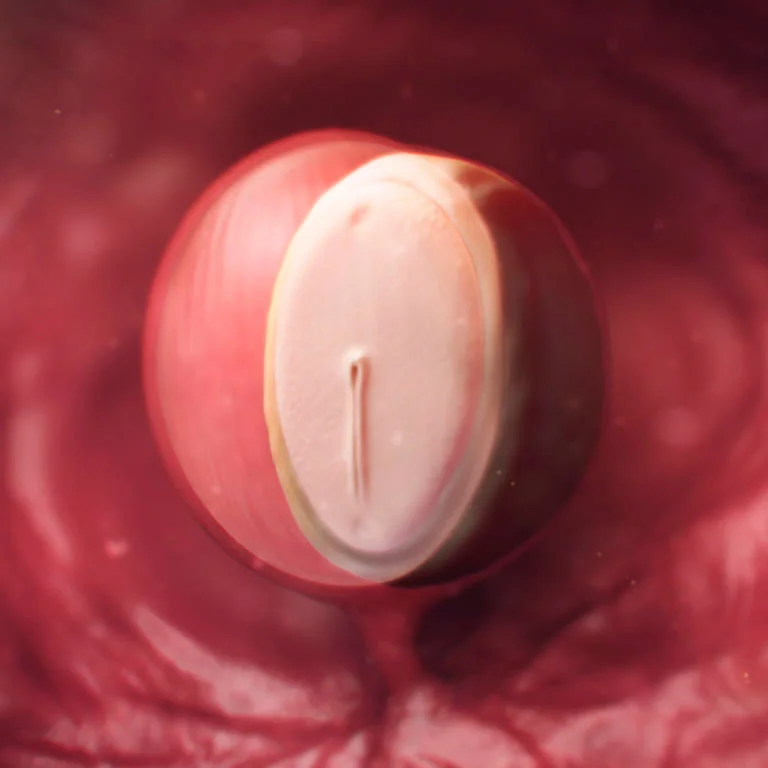

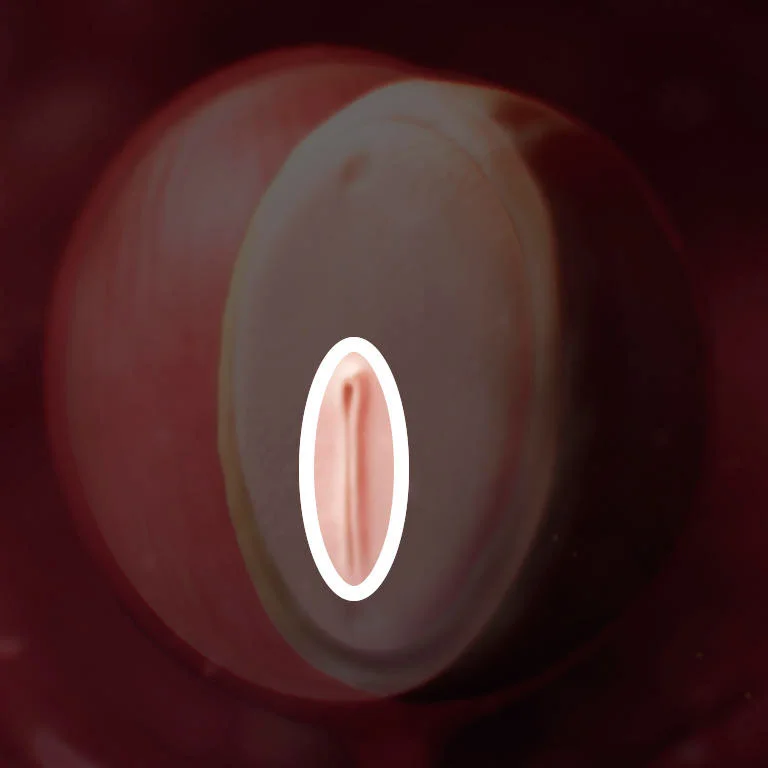
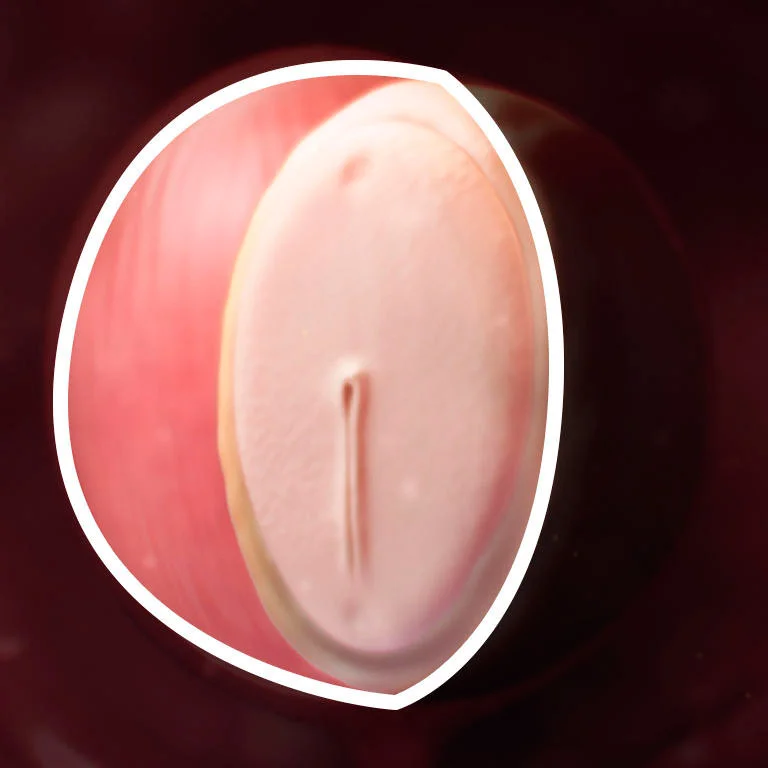
The embryo implants into the uterine wall. Cells divide rapidly, organs begin to form.
You may miss your period. Some women may experience nausea and fatigue.
Pregnancy is undoubtedly one of the most exciting and joyful events in every woman’s life. After learning the wonderful news, every expectant mother wants to know as much as possible about how her baby is developing, what sensations she may experience, and what changes occur in her body at each stage. Naturally, at week 4, women are particularly interested in how pregnancy can be detected and how to calculate the expected due date.
What happens at the 4th obstetric week?
According to obstetric calculations, at the 4th week of pregnancy the embryo is just beginning its journey toward its “home.” Until it reaches its final destination and the sac is formed in which it will live for the next eight and a half months, it must overcome a rather difficult path.
The danger of this period lies in the risk of ectopic pregnancy. If the embryo does not manage to reach the uterine cavity and begins to develop in the fallopian tube, doctors diagnose an ectopic pregnancy. In most cases, there are specific reasons for this condition. Fortunately, such situations are quite rare, so there is no reason for excessive concern. It is important to remain calm and, if pregnancy is confirmed, to accept every moment of it with joy.
Signs of pregnancy at week 4
There are several ways to determine pregnancy at the 4th week. The first and most obvious sign is a delayed menstrual period. Depending on the woman’s cycle, if the delay is at least one day, a pregnancy test can be safely taken — its accuracy can reach up to 98%.
At this stage, a gynecologist may observe changes in the color and structure of the cervix. Nevertheless, it is still impossible to make a definitive diagnosis based on this alone.
It is still too early to perform an ultrasound examination, because the embryo has not yet reached its final location. Ultrasound may provide informative results closer to the 8th week.
Embryonic development at the 4th week of pregnancy
Up to the 4th week, the embryo resembles a multilayered flat disc. From this moment on, it undergoes significant changes and gradually becomes a true embryo. At the 4th week, its width does not exceed 1 mm, and its length is about 0.36 mm. At this stage, the placenta and amniotic fluid begin to form.
A remarkable fact is that at the 4th week, the head of the future baby begins to take shape. At the same time, three main germ layers can be distinguished — ectoderm, endoderm, and mesoderm. These layers directly influence the formation of the brain, thyroid and pancreas, blood, muscles, and skeleton.
Sensations at the 4th week of pregnancy
For such a short period, it is generally uncommon for a woman to experience pronounced changes in her body. Only women with heightened sensitivity may notice certain sensations. Quite often, pregnancy sensations are confused with premenstrual syndrome.
At the 4th week, pulling pain in the lower abdomen, breast tenderness, and mood swings may occur — all of these can also be signs of pregnancy. In some cases, early toxicosis may appear at this stage. However, in most cases, women do not notice any changes at all. Pregnancy at such an early stage rarely causes noticeable changes in the body. In some cases, brownish discharge resembling the onset of menstruation may be observed.
Vitamin complexes
One of the most commonly recommended supplements during the early weeks of pregnancy is folic acid. Doctors strongly advise taking it from the planning stage until at least the 12th week of pregnancy. Folic acid has a positive effect on fetal development, particularly on the formation of the nervous system and many organs and tissues.
Special vitamin complexes designed for pregnant women may also be taken. They are beneficial not only for the baby but also for the mother, strengthening the skeletal system and helping maintain normal hemoglobin levels.
Any type of anesthesia should be avoided. Even dental treatment should preferably be postponed until the second trimester. Other medications should only be taken if prescribed by a doctor. Self-medication is strictly prohibited!
How much time is left until delivery?
Doctors calculate the estimated due date based on the obstetric gestational age, which generally equals 40 weeks. By counting these weeks, they determine the expected delivery date. However, in general, a baby is considered mature starting from the 38th week and can develop independently outside the mother’s body. Most babies are born between the 38th and 42nd weeks. This depends on the individual characteristics of the woman’s body, as well as psychological and physical factors.


Comments (0)
There are no comments yet. Be the first to comment!
Log in to leave a comment.
Login