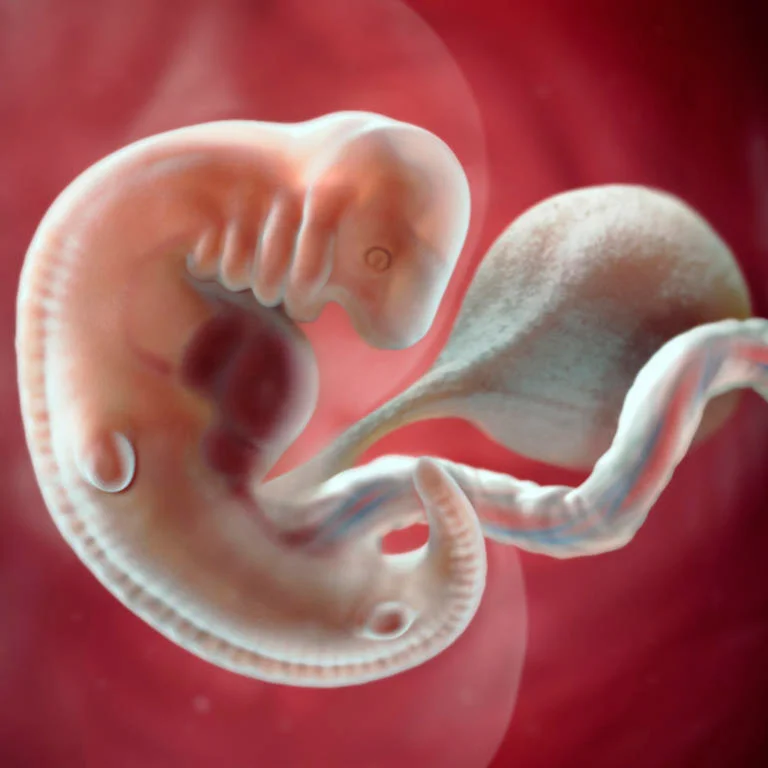
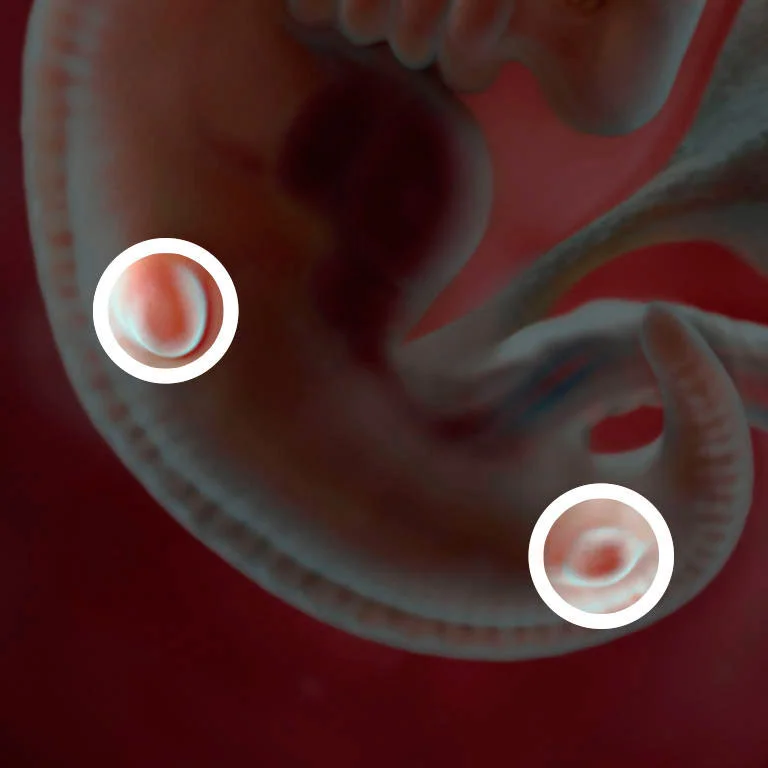
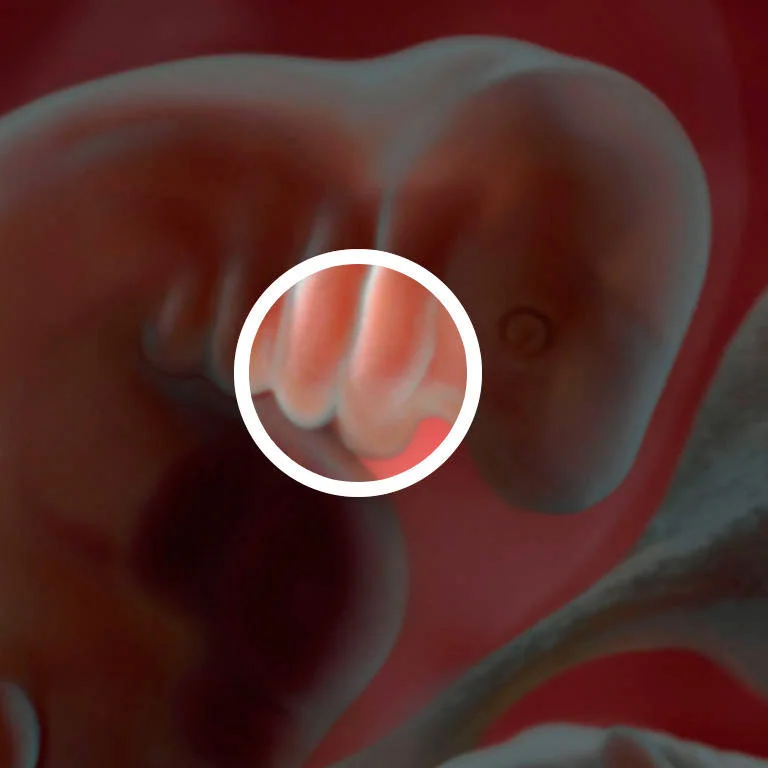
The nose, mouth, and ears begin to form. Arm and leg buds appear.
Mood swings and toxicosis (nausea) may intensify.
Every new day is extremely important and unique for a pregnant woman, and the 6th week of pregnancy is certainly no exception. During this period, interesting and remarkable changes take place in a woman’s body. Doctors calculate pregnancy in weeks — for them it consists of 42 obstetric weeks. Expectant mothers, on the other hand, eagerly count every single day, while relatives and friends curiously ask which exact stage of the 9-month pregnancy you are currently in.
A woman who learns that she is pregnant feels immense joy. The miracle growing inside her develops week by week and gradually transforms her body. New sensations appear — ones she has never experienced before. Hormones released in the body may bring either a good mood or, at times, emotional lows. The baby continues to grow hour by hour.
The 6th obstetric week of pregnancy (the 4th week from conception)
Many young mothers still confuse obstetric pregnancy with embryonic pregnancy. In fact, the obstetric calendar is calculated from the first day of the last menstrual period. If everything proceeds successfully, pregnancy begins during that very menstrual cycle.
The 6th obstetric week of pregnancy corresponds to the 4th week after conception and is marked by the beginning of the tiny heart’s beating. Although the heartbeat cannot yet be heard with a stethoscope, the pulsating point in the embryo can already be seen on an ultrasound scan. The heart beats about 150 times per minute — twice as fast as an adult’s heart. At this time, significant hormone-driven changes occur in the woman’s body.
Hormonal changes in the mother’s body
Such changes take place daily. The hormone progesterone, which is necessary to protect the body from various infections, begins to be produced intensively. It strengthens the uterine lining while continuously supplying the embryo with blood. However, an increased level of progesterone can also negatively affect the digestive system by slowing down digestion and causing nausea or vomiting — in other words, a condition known as toxicosis.
Symptoms of the 6th week of pregnancy
This week of pregnancy often comes with several unpleasant symptoms. Some of them may cause concern, such as the appearance of a small amount of brownish discharge. However, if the discharge is minimal and not accompanied by frequent pain in the lower abdomen, there is no reason to worry — this is a natural reaction to hormonal changes.
Thus, the following symptoms are commonly observed during the 6th week of pregnancy:
excessive salivation;
fatigue;
frequent urination;
frequent mood swings;
morning vomiting;
abdominal pain in some cases;
muscle relaxation;
heaviness in the breasts.
Not all women experience these symptoms during the 6th week of pregnancy. In fact, nearly one-third of expectant mothers do not notice any changes in their bodies at this stage.
Sensations during the 6th week of pregnancy
In addition to the absence of menstruation and the lack of very pronounced symptoms, breast enlargement and darkening of the nipples are observed during the 6th week, sometimes accompanied by mild breast tenderness. Changes occurring in the uterus may occasionally cause unpleasant sensations in the lower abdomen.
Hormones bring about new sensations. A woman becomes extremely sensitive to smells; certain odors may trigger nausea or even irritability. Unexpected food cravings may appear during the sixth week of pregnancy. At times, weakness, dizziness, and an increase in body temperature may occur. Such hormonally induced sensations usually disappear on their own by weeks 10–14.
The condition of the embryo at 6 weeks
At six weeks of pregnancy, the embryo is about the size of a pea. Despite its small size, the nervous system — including neural connections and endings — begins to form, and the brain starts developing. The buds of the arms and legs appear, and by the end of the week, the beginnings of fingers form.
The face starts to take shape: small depressions appear where the eyes will be, and folds become noticeable in the areas of the nose and ears. Along with the nervous system, muscle tissue also develops, giving the embryo the ability to sense stimuli — it becomes responsive to external influences.
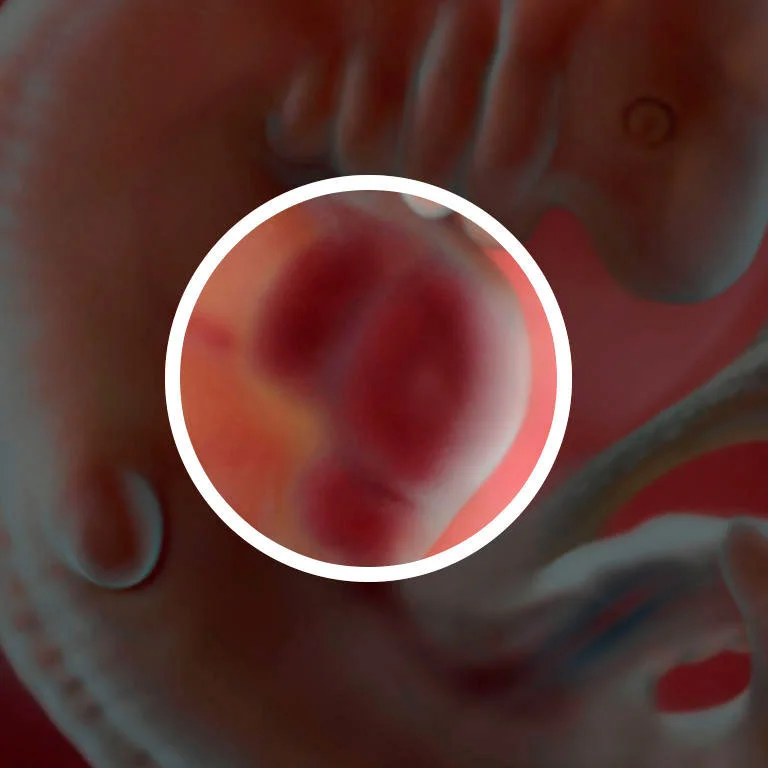
Blood circulation begins in the body. From tissue buds, future organs such as the lungs and spleen start forming, while the precursors of bone marrow and cartilage appear. The developing intestines become visible and consist of three loops. The esophagus begins to form, and space for the stomach is created.
Ultrasound examination
At the 6th week of pregnancy, an ultrasound confirms pregnancy in all women: the uterus is enlarged, the heartbeat is clearly visible and audible, the embryo measures approximately 4 mm, and the fertilized egg can reach up to 25 mm in size.
What should be avoided
During the 6th week of pregnancy, unusual discharge should alert a woman. If noticed, she should immediately consult her gynecologist. Colds, high fever, accidental falls, and hot baths can pose risks to pregnancy.
At this stage, it is recommended to eat small portions frequently. The diet should include proteins, vitamins, seafood, and dairy products. Do not suppress unusual cravings — they may indicate a deficiency of certain nutrients in the body.
If there is no risk of miscarriage, sexual activity is allowed during this week.
Regular visits to a gynecologist are important, as they help address any emerging issues in a timely manner.


Comments (0)
There are no comments yet. Be the first to comment!
Log in to leave a comment.
Login