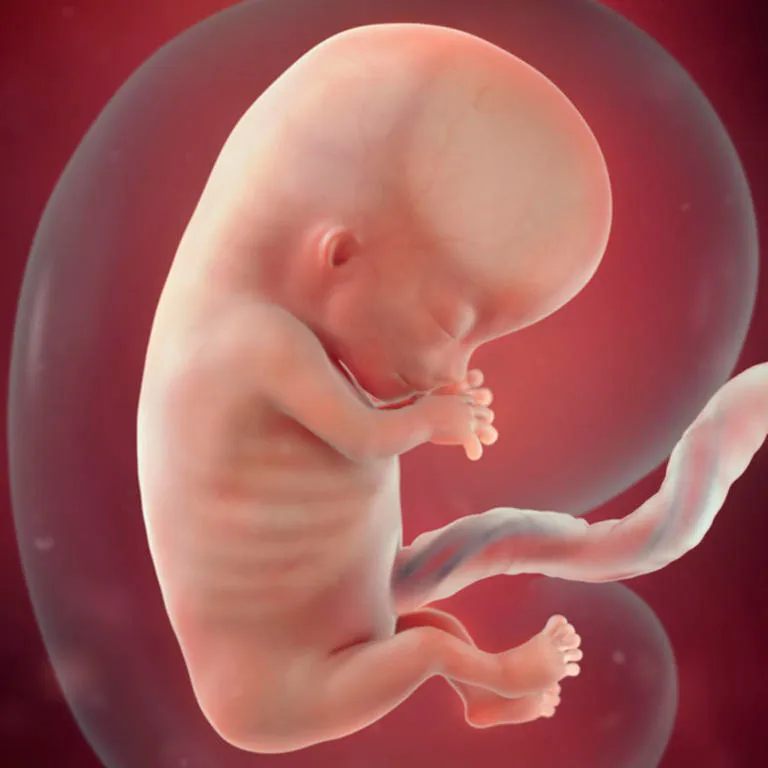
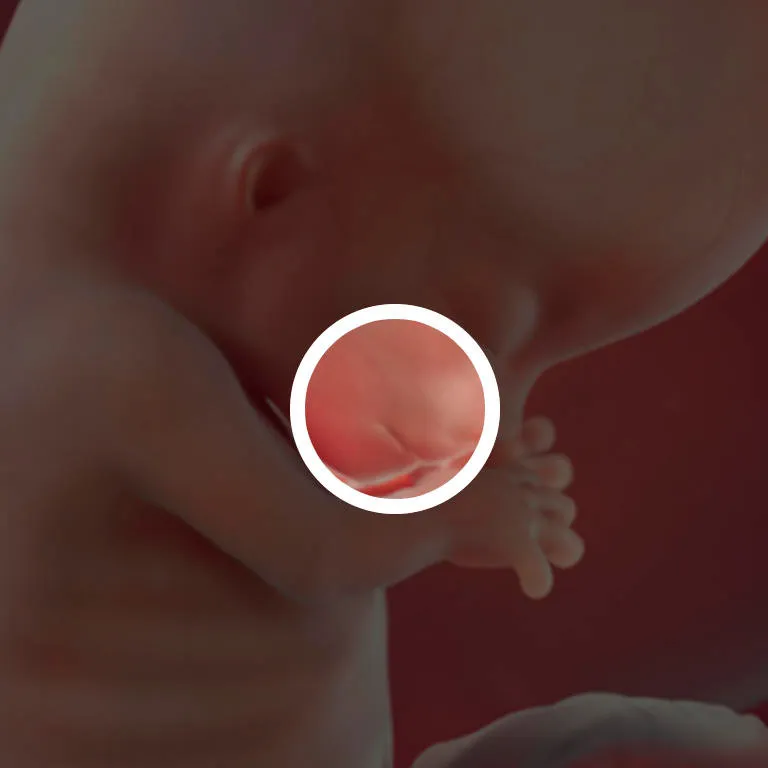
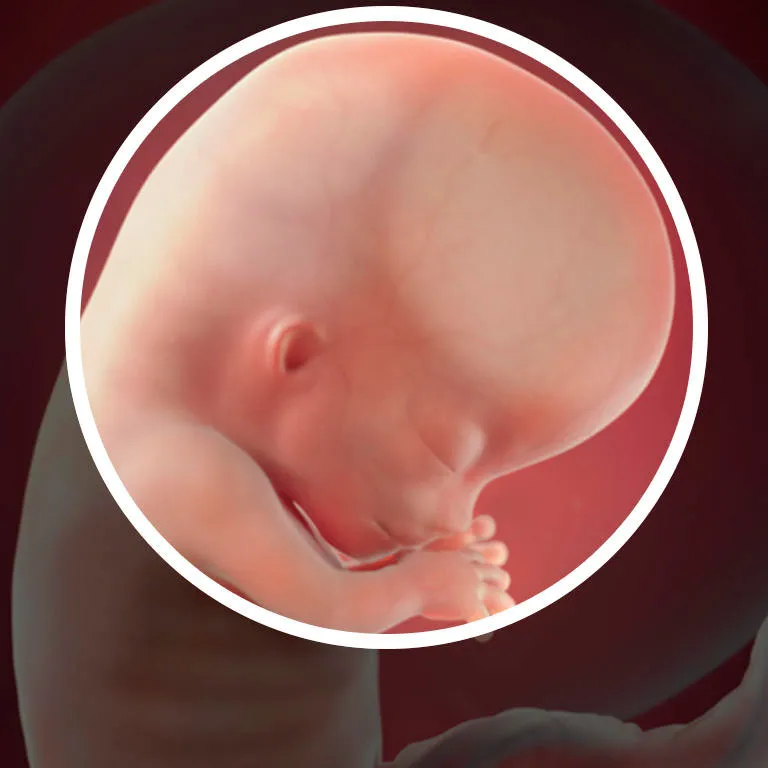
The baby can lift its head. External genitals begin to form.
Toxicosis symptoms may decrease. Appetite may return.
Week 11 of pregnancy marks the approach of the end of the first trimester. Toxicosis is gradually subsiding, and the expectant mother begins to notice that her uterus is growing. Although external changes are still barely visible, internally most women have already adapted to their new condition. The fears and anxieties of the early, most worrying weeks of pregnancy are left behind, and the woman feels more emotionally stable.
What happens to the baby at 11 weeks of pregnancy, and how does the mother feel during this period?
Sensations at 11 weeks of pregnancy
Many women begin to feel relief from exhausting toxicosis during this week. Even if it has not completely disappeared yet, there is no reason to worry. Toxicosis may last until week 14 or even longer, but its symptoms gradually weaken. Sometimes heartburn may replace nausea, and constipation may also occur. These changes are caused by hormonal activity. However, not all women experience heartburn or constipation, so one should not expect these symptoms automatically.
At 11 weeks of pregnancy, many women notice a slight protrusion of the lower abdomen just above the pubic bone. If your trousers no longer button up or fitted dresses start to feel tight, there is no need to be surprised. Although the uterus has not yet risen beyond the pelvic cavity, the growing abdomen can already be felt. This period is still considered potentially risky, so if at 11 weeks you experience pulling sensations or pain in the abdomen, or aching pain in the lower back, it is advisable to consult the gynecologist supervising your pregnancy.
Vaginal discharge may become more abundant. This should not cause concern — it may persist until the end of pregnancy. A white discharge with a slightly sour smell is considered normal. Small amounts of discharge from the nipples are also normal; do not touch or try to squeeze it out — this is colostrum.
Are you growing, little one?
The baby has grown significantly. At 11 weeks of pregnancy, the fetus is about 6 cm long and weighs between 8 and 10 grams. In size, the baby is comparable to a large plum.
The baby is developing very rapidly;
The ability to grasp objects is forming;
The digestive tract continues to develop;
The genital organs begin to form;
Sensitivity to external stimuli appears;
The baby’s movements become more distinct.
Features of the 11th week of pregnancy
Mood swings may still be present, and this is completely normal. Hormones continue to influence emotional changes, so frequent shifts in mood during this period are not considered abnormal.
Try not to blame everything on hormones alone. Learn to manage your emotions, be patient and reasonable. Avoid excessive fatigue — heavy workloads are stressful for a pregnant woman’s body. Learn to relax; this skill will be useful both during pregnancy and during childbirth.
A balanced diet
A complete and balanced diet remains essential at 11 weeks. Be sure to include porridge, cottage cheese, fruits and vegetables, beef, greens, nuts, and vegetable oils in your daily meals.
Avoid overeating, as it can worsen heartburn and constipation. Eat small portions at regular intervals — every 3–4 hours. It is best to limit fatty, spicy, fried, and smoked foods. Drink plain water, freshly squeezed juices, and fruit drinks.
Screening and other examinations
At this stage, you may be referred for screening. Screening consists of a triple ultrasound examination and a biochemical blood test. This screening helps assess the risk of possible developmental abnormalities in the fetus. The procedure does not harm either the baby or the mother.
If any concerning factors are identified during the examination, the expectant mother may be referred to a genetic specialist for consultation. However, screening results are not a diagnosis — they are only a reason for further, more detailed examinations.
The first screening is performed at 11–12 weeks of pregnancy and is also the most accurate time to determine the exact gestational age. At 11 weeks, ultrasound examination is performed to evaluate the course of pregnancy, detect multiple pregnancies, and measure the nuchal translucency.
What about my appearance?
Finally, let’s talk about external changes. You may notice increased brittleness of your nails and hair loss. Fighting these changes is usually ineffective — after childbirth, everything will gradually return to normal.
The opposite can also happen: some women notice that their hair becomes thicker and grows faster. It is recommended to avoid dyeing your hair during this period, as hormonal changes can affect the result and lead to unexpected outcomes.
This is also the right time to start using oils (for example, olive oil) to prevent stretch marks caused by skin stretching. Otherwise, you may regret missing this opportunity later.


Comments (0)
There are no comments yet. Be the first to comment!
Log in to leave a comment.
Login