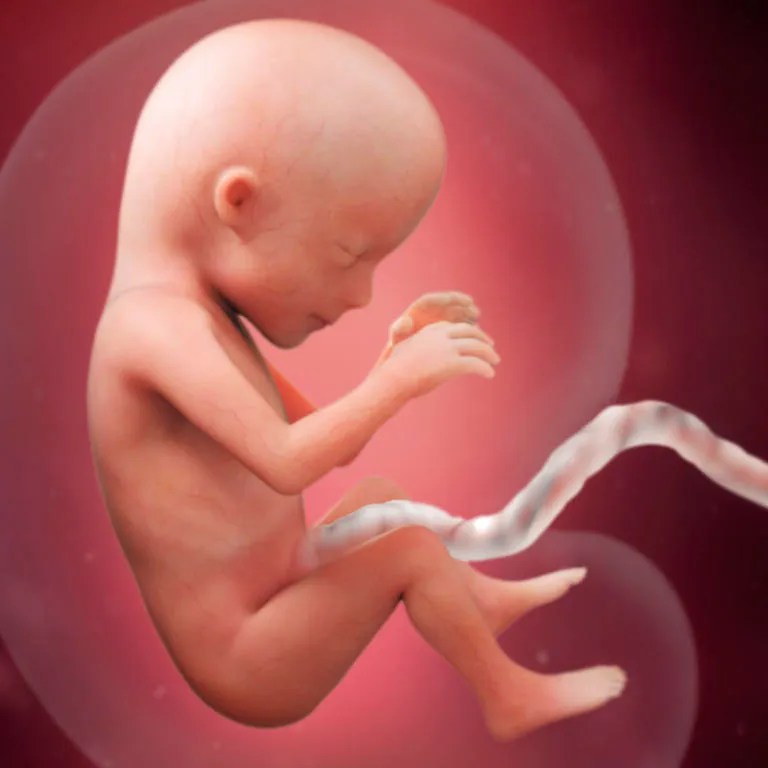
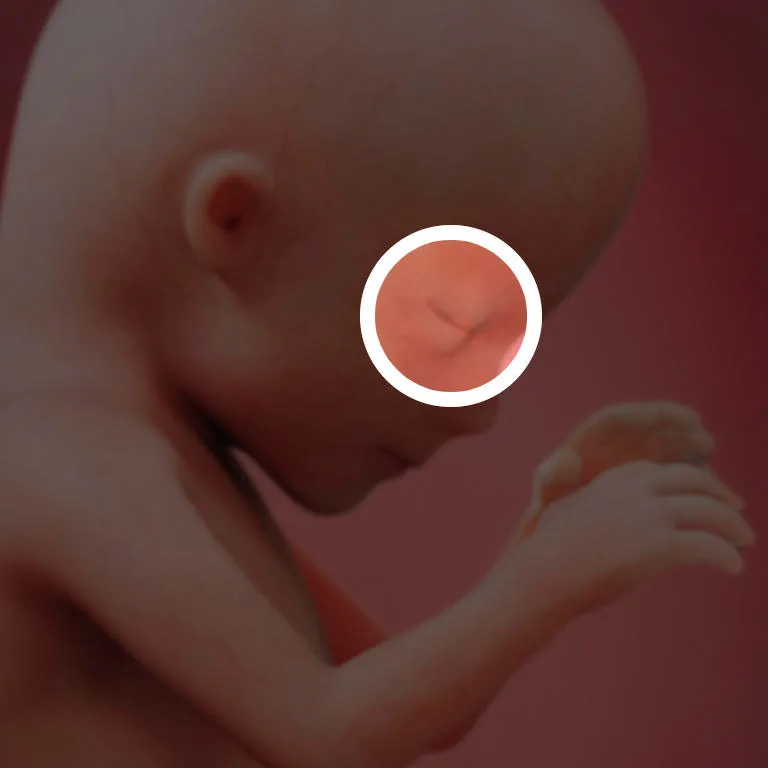
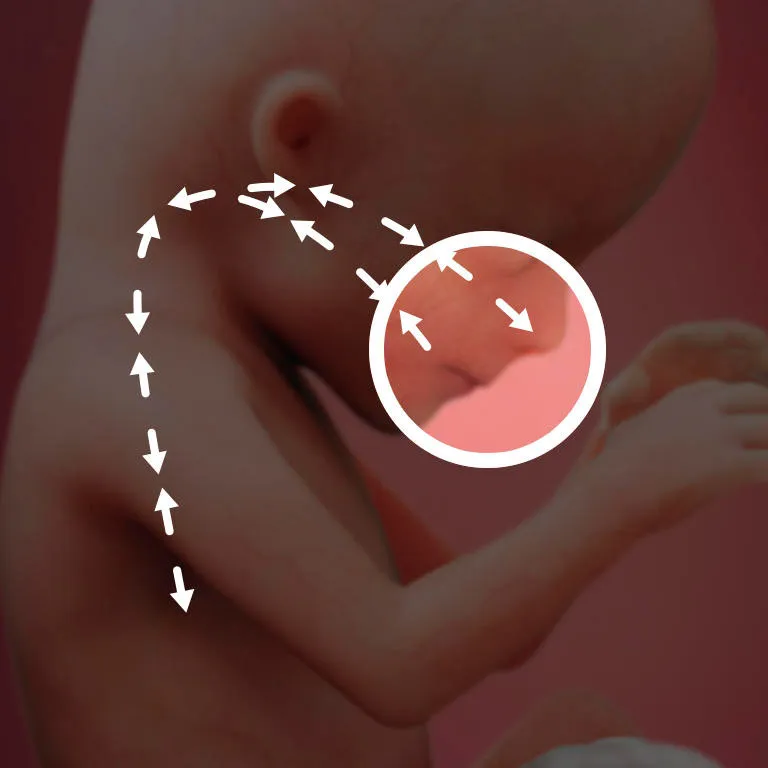
The baby can sense light, even though eyes are closed.
Nasal congestion or bleeding may occur (due to hormones).
The 15th week of pregnancy may seem, at first glance, like a calm period: nothing hurts, there are no unpleasant sensations, and appetite is good. Yet many expectant mothers begin to notice new concerns during this stage. Some women observe that their skin becomes drier, their nails more brittle, and their hair starts to fall out more than usual.
Nevertheless, the baby is developing very well and is steadily preparing for life “outside the womb.” What causes these external changes, and can anything be done to manage them?
What happens at 15 weeks of pregnancy
At this stage, the woman’s body requires more calcium and other essential nutrients. Do not rely on vitamins alone — food must also supply the necessary elements. If an expectant mother experiences calf cramps at night, this may be a sign of calcium deficiency.
The uterus continues to grow and moves fully into the abdominal cavity, reducing pressure on the bladder. Frequent urination usually subsides. However, the uterus may now exert pressure on the intestines, which can lead to digestive difficulties. To prevent constipation, it is important to review and adjust your diet.
The increased volume of circulating blood is directly linked to the body’s greater need for iron. Iron deficiency may lead to anemia in pregnant women, causing dizziness, weakness, and darkening before the eyes.
Fetal development at 15 weeks of pregnancy
The baby’s length from the tailbone to the crown of the head may exceed 10 cm, and its weight reaches approximately 70 grams. The external genital organs are already differentiated, meaning that during an ultrasound at 15 weeks, the baby’s sex can often be determined.
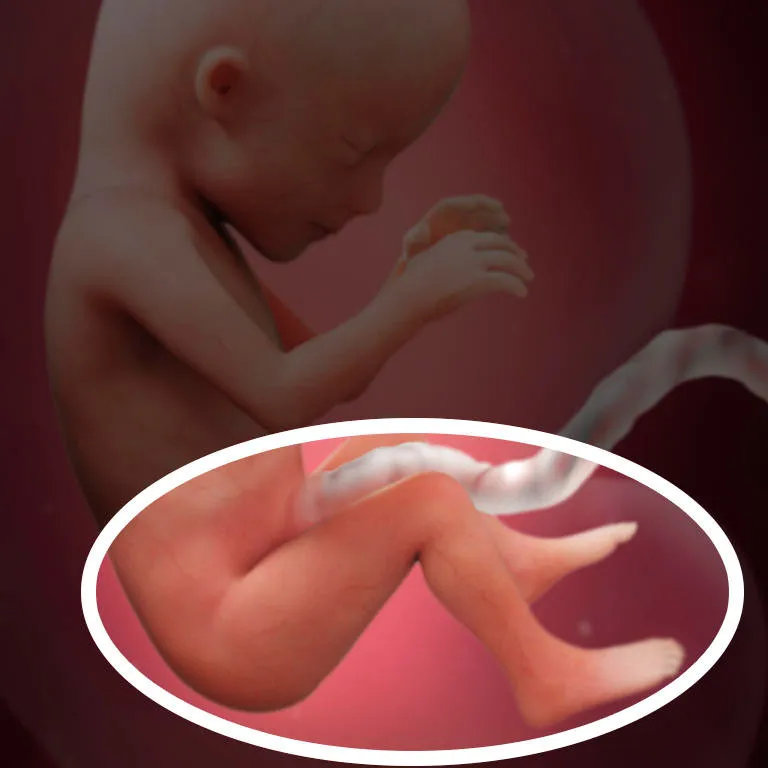
The legs are no longer lagging behind in growth — in fact, they may now be longer than the arms. The baby’s eyes move closer together, and the outer ears are almost fully formed. Fine hair continues to grow on the baby’s body. The pituitary gland (an endocrine gland that influences growth), sweat glands, and sebaceous glands become active.
Although the baby’s skin still appears reddish, it is no longer as transparent as before. The baby becomes more active, and soon the mother will begin to feel the first movements.
Either active or absent-minded
Have you noticed forgetfulness or absent-mindedness? There is no need to worry — this is normal for this stage of pregnancy. However, do not give up intellectual activity: on the contrary, information learned during this period is often retained well in memory.
For some women, the opposite occurs — they feel a surge of energy and increased activity. This is also normal. However, avoid excessive physical exertion and do not forget to maintain a proper balance between rest and sleep.
Cottage cheese is essential
One of the most common physiological problems at this stage is constipation. Proper nutrition helps prevent it. Be sure to include vegetables and fruits, whole-grain bread, cereals, fermented dairy products, and legumes in your diet.
To compensate for calcium deficiency, eat cottage cheese for breakfast — real cottage cheese, not sweet curd desserts or glazed cheese snacks. Drink up to 2 liters of water per day, and during colder seasons, consume berry-based fruit drinks. This also helps prevent colds.
Visit the dentist
If the pregnancy is progressing normally, no special tests are usually prescribed at this stage. However, this is an ideal time to visit a dentist: toxicosis has already passed, anesthesia is safe, and your teeth now need extra care.
Try to resolve all dental issues during the second trimester if you were unable to do so before pregnancy.
Sensations at 15 weeks of pregnancy
The areolas of the nipples usually continue to darken. The breasts become fuller, and you will likely need to switch to a larger bra.
If a woman experiences shortness of breath at night, there is no need to panic — this can happen. Nosebleeds are also possible due to increased blood volume in the body.
The abdomen continues to grow at 15 weeks, so avoid tight clothing and tight trousers. There should be no discomfort in the abdominal area. Enjoy your condition, stay inspired, and even visit stores specializing in maternity wear — let these moments bring you joy and positive emotions.


Comments (0)
There are no comments yet. Be the first to comment!
Log in to leave a comment.
Login