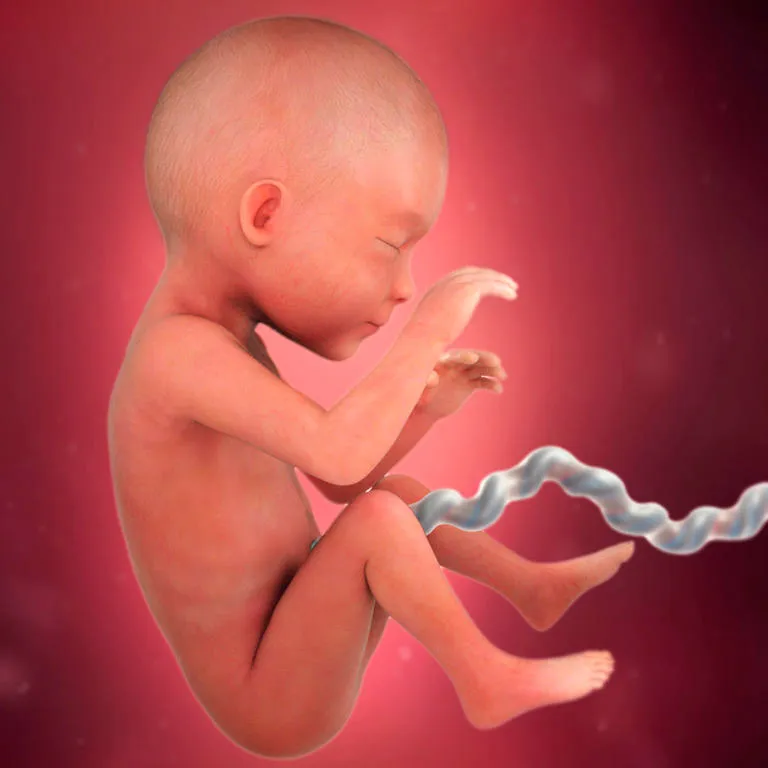
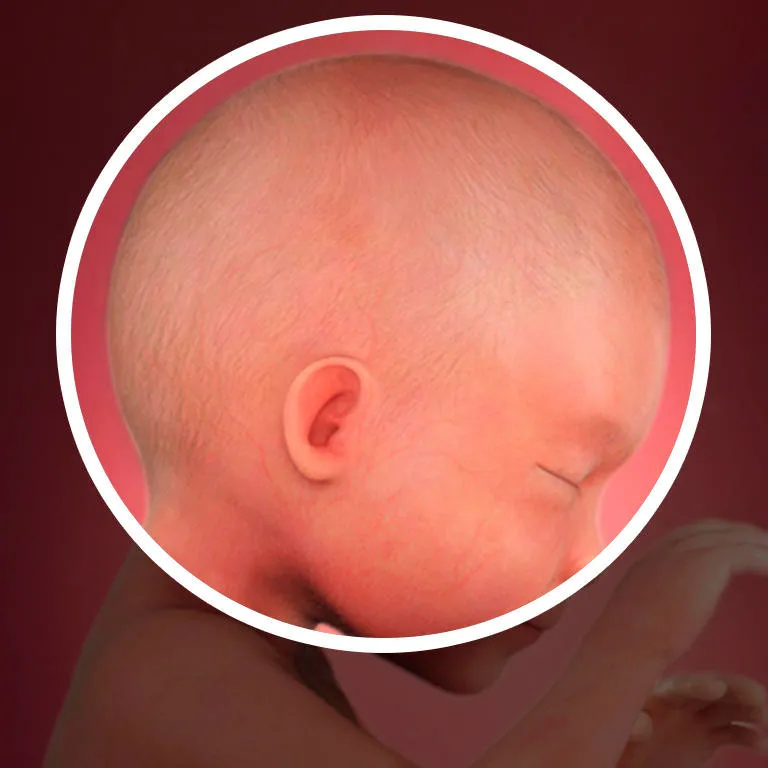
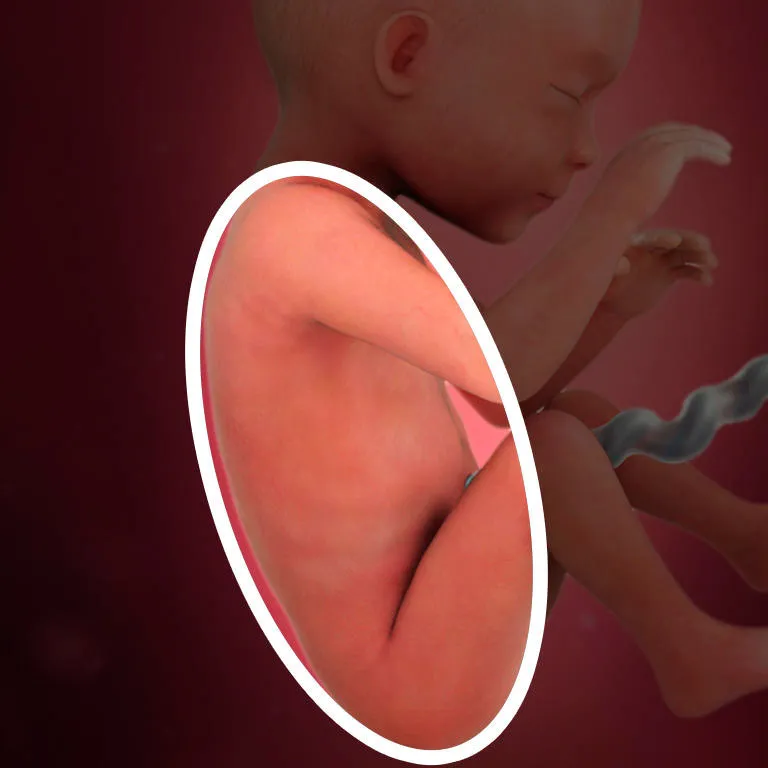
Subcutaneous fat begins to accumulate, skin smooths out.
Hair may become thicker and shinier.
Pregnancy. Therefore, this period is psychologically important for expectant mothers. Even in cases of premature birth, the baby has a chance of survival.
A woman gains weight rapidly — usually about 6–7 kg by this time. Until delivery, an additional gain of up to 5 kg is considered acceptable. By this stage, many babies have already assumed the correct position in the uterus — head down. However, if this has not happened yet, there is still time for the baby to turn.
What happens at the 25th week of pregnancy
Pregnancy has reached an active stage. Even if you do not always feel perfect, you are likely still able to put on your shoes without difficulty and do not tire too quickly.
Each week, weight gain may reach up to 350 grams. Try not to exceed this limit and keep your weight under control. Excessive salt intake may lead to swelling, which is unpleasant and potentially dangerous, as it can trigger late gestosis.
At 25 weeks, the abdomen becomes even larger. During examinations, the doctor measures abdominal circumference, listens to the baby’s heartbeat, and determines the baby’s position in the uterus.
Condition of the fetus at 25 weeks
The baby has grown to about 30 cm, and its weight is approximately 700 grams. From this point onward, the baby gains more weight rather than growing in length. You may notice fetal hiccups — this happens because the baby swallows amniotic fluid, which fills the stomach and irritates the diaphragm. There is no need to worry, but it is advisable to inform your doctor.
Fetal development at 25 weeks
By this time, the baby’s lungs are formed, and surfactant production begins actively. This substance allows the lungs to expand after birth. You will feel the baby’s movements day and night. The baby’s sleep and rest schedule may differ from yours. It is easy to notice that during smooth motion — such as riding in a car or on a boat — the baby calms down. This is because the baby enjoys rhythmic movement, which remains soothing even after birth.
Rest more, sleep well, and maintain a good mood
Do not overburden yourself with tasks. Many women make the mistake of trying to do everything during this period. Even if you feel well, do not take on more responsibilities than necessary. Rest, sleep, and emotional comfort are essential now. Accept help from loved ones with gratitude and do not be afraid to ask for support.
Do not start long-term projects — maternity leave is approaching, and you will soon want to focus on home, family, and pleasant activities.
Nutrition: drink more water, eat less salt
There are no new rules: eat balanced meals in small portions. Large portions can worsen heartburn. Do not restrict fluid intake, but avoid carbonated drinks and packaged juices. Reduce salt consumption significantly to prevent swelling.
It only takes one or two weeks to adapt to new eating habits. Make a healthy rule your motto — use less salt or avoid it altogether.
Know your test results
As usual, before appointments you will have general blood and urine tests. If the doctor deems it necessary, additional examinations will be ordered. An ultrasound may be scheduled at 25 weeks to assess the amount of amniotic fluid, spinal development, and to determine the baby’s sex. In cases of multiple pregnancy, the doctor will evaluate how the twins are developing at this stage.
Be sure to ask about your test results. Many women make the mistake of not paying attention to them. Learning to monitor your health and understand basic medical terms will help you become a knowledgeable and responsible mother.
Sensations at 25 weeks of pregnancy
Apart from weight gain, no major changes in appearance usually occur. Facial pigmentation spots may appear early, but they do not develop in all women.
Pregnancy progresses smoothly, without unpleasant sensations, and the expectant mother’s mood is generally excellent. At this stage, the risk of premature birth is minimal. Therefore, avoid stress and get plenty of rest.
Pay attention to how beautiful your hair has become. Pregnancy hormones make hair stronger and more attractive. However, hair coloring is not recommended — even ammonia-free dyes may produce unpredictable results due to hormonal changes.


Comments (0)
There are no comments yet. Be the first to comment!
Log in to leave a comment.
Login