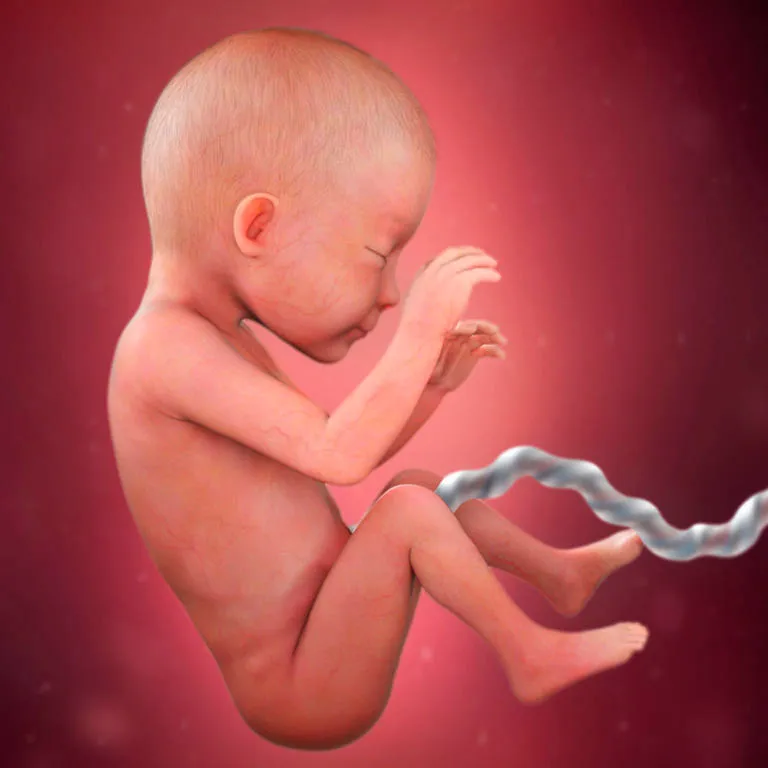

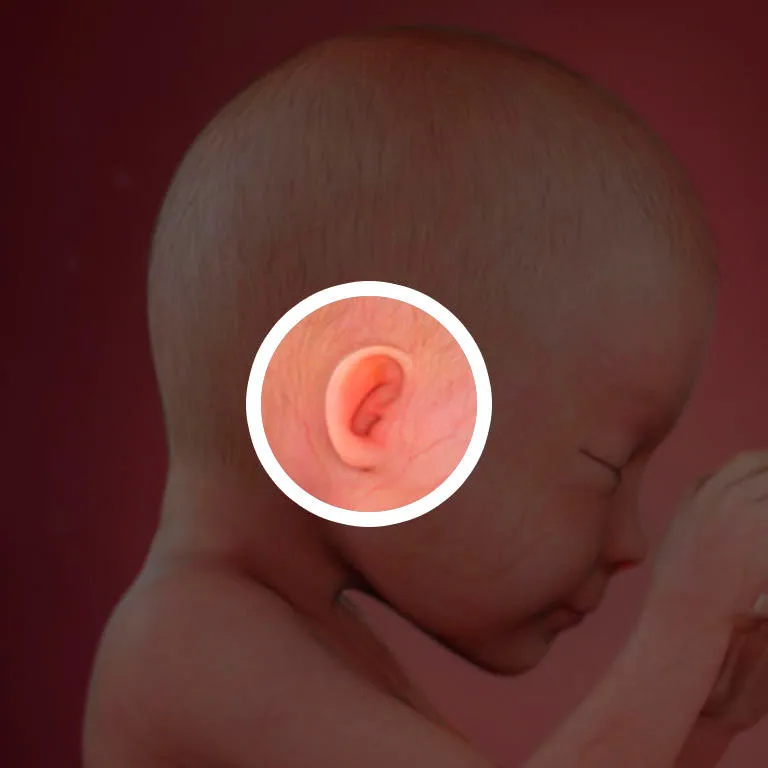
Eyes open and blink.
Back pain may intensify, wear comfortable shoes.
The second trimester is coming to an end — you have entered the 26th week of pregnancy. The future mother’s belly has risen about 6 cm above the navel, and now you truly feel pregnant in the literal sense. Just imagine: your uterus is now about the size of a large watermelon!
It is time to begin preparing for childbirth and to enroll in special courses. Your condition is now obvious to everyone, and many people will not get tired of giving advice and asking questions. Based on the shape of your belly, they will try to guess whether you are having a boy or a girl. In reality, however, the shape of the belly is determined by the structure of a woman’s pelvis: if the pelvis is narrow, the belly will appear more pointed at the 26th week of pregnancy.
What happens at the 26th week of pregnancy?
Your growing belly puts pressure on your breathing, shortness of breath appears, and you often feel the need to take deep breaths. It becomes increasingly difficult to put on shoes by yourself, and your gait changes. Long distances and high staircases turn into real challenges.
By this time, your weight may have increased by up to 9 kg, which is considered normal. Lower back pain and a feeling of heaviness in the legs may bother you. Try to rest more and avoid long walks, exhausting queues, and other tiring activities. For now, you visit your doctor once every two weeks, but if you are diagnosed with pregnancy-related anemia or pyelonephritis, you may need to see the doctor more frequently.
Wear a special maternity support band and use creams that help prevent stretch marks (atrophic streaks). If at the 26th week you experience “false contractions” or unusually strong fetal movements, do not panic. However, be sure to inform your doctor, especially if these contractions occur together with uterine hypertonicity.
Fetal condition at the 26th week
At the 26th week of pregnancy, the fetus measures about 32 cm in length and weighs nearly 900 grams. The baby has become very active, and you can clearly feel it. Sometimes the baby’s kicks may be slightly painful, especially if they hit the liver or bladder area.
The baby has begun to accumulate fat, and the skin has become noticeably lighter. The main developed senses at this stage are taste and hearing. The baby enjoys soft, pleasant music, the mother’s gentle voice, and the soothing sounds of nature, while loud noise and commotion may frighten the baby.
Since the baby hears the mother’s heartbeat and the flow of blood through her vessels while still in the womb, these sounds are pleasant and familiar to them. Remember this, because when your newborn becomes fussy, you will be able to calm them simply by holding them close — the baby will hear the familiar sound of the mother’s heartbeat.
Protect yourself from stress
Changes in your body may upset you and affect your mood. However, these difficulties are not permanent — soon you will be immersed in a new world of tasks and concerns. Do not dwell on minor things that spoil your mood; instead, focus your attention on more important matters.
Ask your loved ones to support and help you. Do not waste your nerves on things that are not worth worrying about. Protect yourself from stressful situations — you truly do not need them right now.
Eat in small portions
Nausea and heartburn are quite common at this stage. This is not surprising: the uterus compresses and shifts other organs, forcing the digestive system to adapt as well. Eating small, frequent meals can help. It is better to eat often but in small amounts. A portion about the size of your fist is enough.
Home-cooked food is best for you now, but it should not be spicy, salty, smoked, or fried. Sweets and pastries may be eaten in moderation. It is better not to overuse spices, because the baby swallows amniotic fluid, and it takes on the taste of the food the mother eats.
At the check-up: weight and measurements
During your appointment, the doctor will ask you to step on the scale, measure your blood pressure, and check the size of your abdomen. Possibly, the day before the visit, the expectant mother will have had a complete blood count and a general urine test. The doctor will review the results and may order additional examinations if anything is outside the normal range.
Ultrasound examinations are rarely scheduled at the 26th week and only when there are important indications.
Sensations at the 26th week
You may barely fit into your previous clothes. At this stage, many women also need to buy shoes one size larger. However, this does not mean that you are no longer beautiful or graceful. You are still very attractive — instead of baggy dresses or tight, uncomfortable pants, special maternity clothing will highlight your beauty.


Comments (0)
There are no comments yet. Be the first to comment!
Log in to leave a comment.
Login