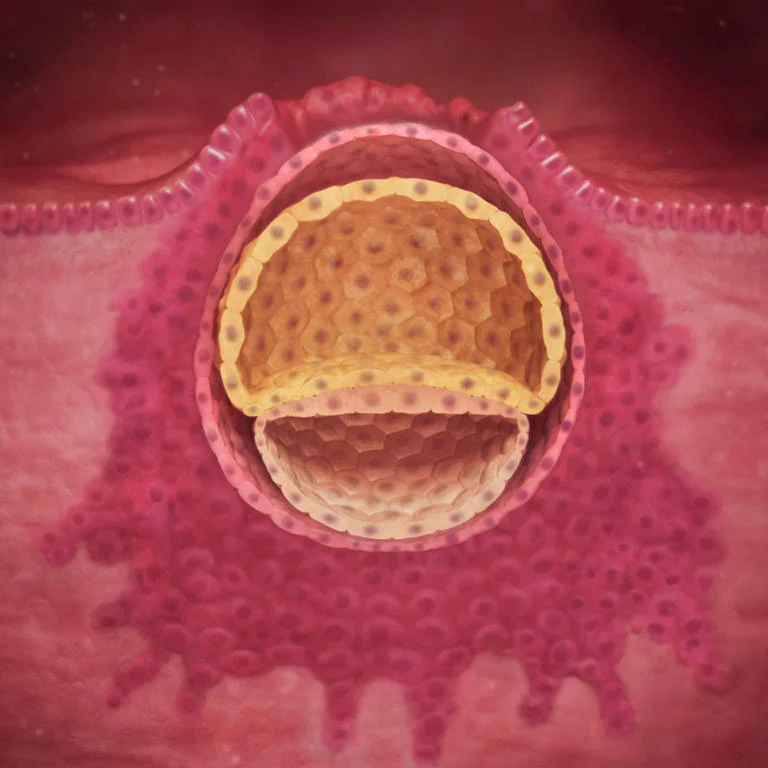
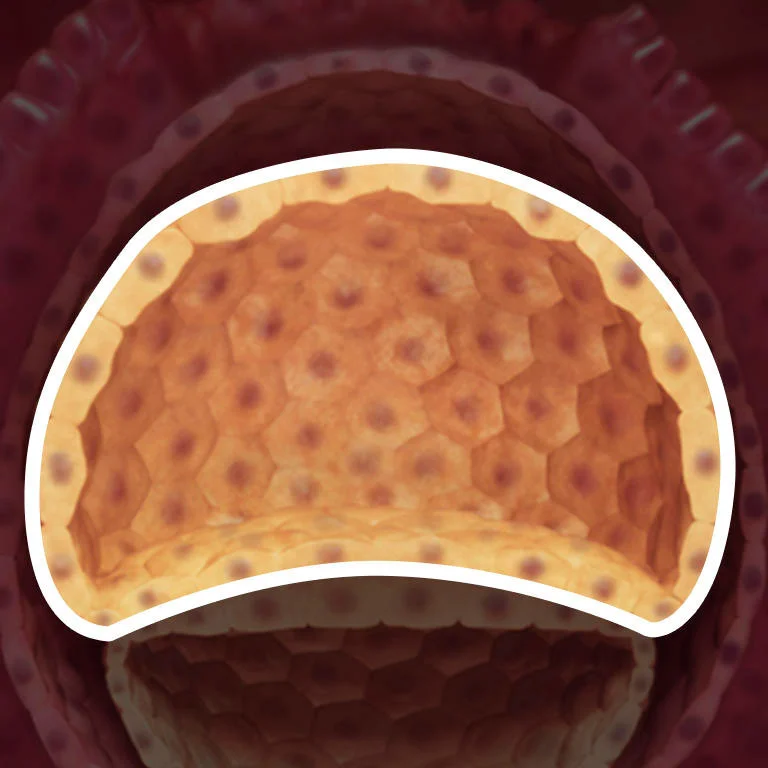
The fertilized egg moves along the fallopian tube, enters the uterine cavity, and implants into its wall.
You may not have pregnancy symptoms yet, but hormonal changes have begun.
The third week of pregnancy has begun. This is a decisive stage — the transition from “planning” a pregnancy to its actual existence. If the egg cell was not fertilized at the end of the second week, then the third week is the most favorable time for conception. In fact, ovulation should normally occur on days 12–14 of the menstrual cycle.
The 3rd week of obstetric pregnancy is an extremely important period, because it is at this time that active development of the embryo begins, as well as the migration of the fertilized egg. Its main goal is to reach the uterine cavity as quickly as possible and firmly attach to the uterine wall.
In addition, the 3rd obstetric week is the period when the fertilized egg begins to divide. Accordingly, at this stage a woman may become pregnant with twins, or in some cases even triplets. Of course, one baby already brings great happiness to parents, but a multiple pregnancy, although it may require serious medical supervision and cause certain difficulties, brings double or even triple joy to the whole family.
The third week of pregnancy: what happens
If we understand it correctly, the 3rd week of pregnancy is actually the very first week of your baby’s life. From the moment ovulation begins, the egg cell has only 24 hours to meet a sperm cell in the fallopian tube. If this “meeting” does not take place in time, the possibility of fertilization is lost.
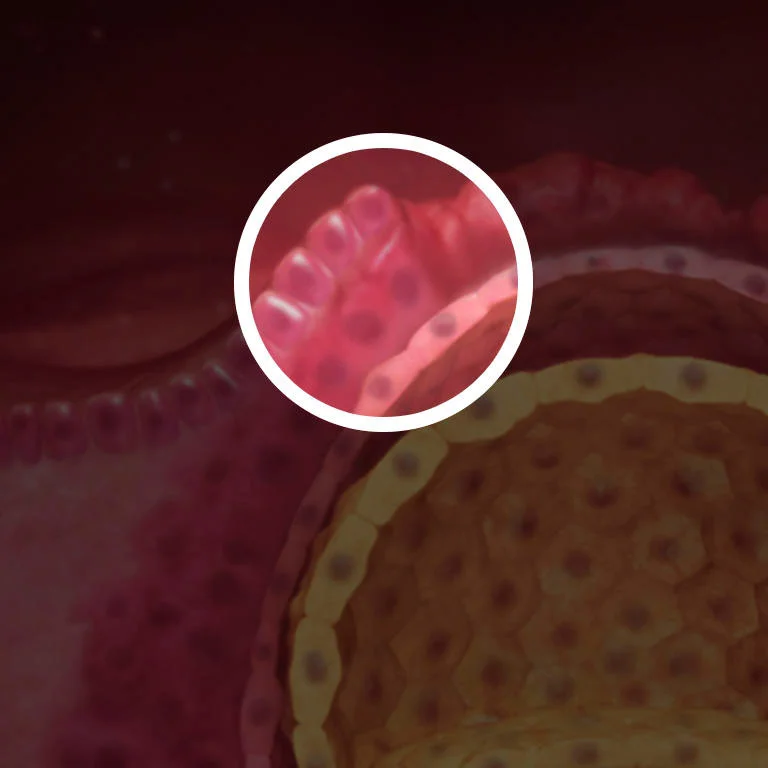
Therefore, the most important event of the 3rd week of pregnancy is fertilization itself. During the first days, the zygote remains inside the cavity of the fallopian tube without attaching to its walls. It continues its constant movement toward the uterus. The embryo is nourished by protein compounds secreted by the glands of the fallopian tube and by its own energy reserves. After moving into the uterine cavity and reaching its inner lining, the embryo begins to implant into the uterine wall, more precisely into the endometrial layer. This process is called implantation. If everything proceeds successfully, by the end of the third week the embryo becomes firmly established in a favorable, nutrient-rich environment — the endometrium — after which a strong and multifaceted connection is formed between the mother’s body and the embryo.
Signs of pregnancy at week 3
At this stage, clearly noticeable changes in the body are usually absent. However, many women may experience symptoms similar to premenstrual syndrome during the 3rd week of pregnancy. Some women may have slight discharge, which is harmless for both the mother and the embryo. For this reason, the early signs of pregnancy at week 3 are often confused with the approaching menstrual period.
At the 3rd week of pregnancy, women most often note the following signs: mild dizziness, drowsiness, pulling pain in the lower abdomen, and slight breast swelling.
The future baby
At the third obstetric week, the baby is still extremely tiny. It is only a group of cells containing vital genetic information.
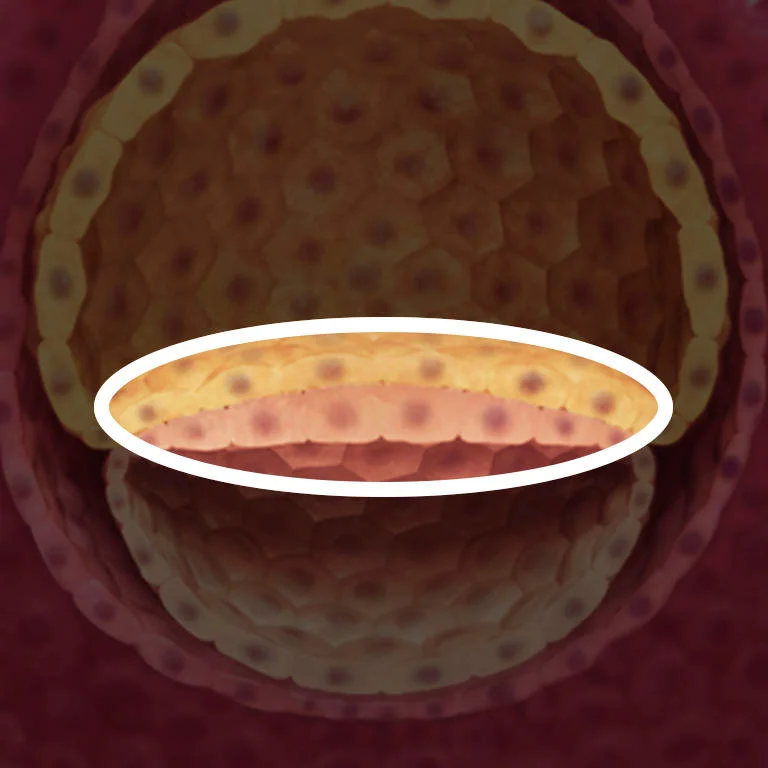
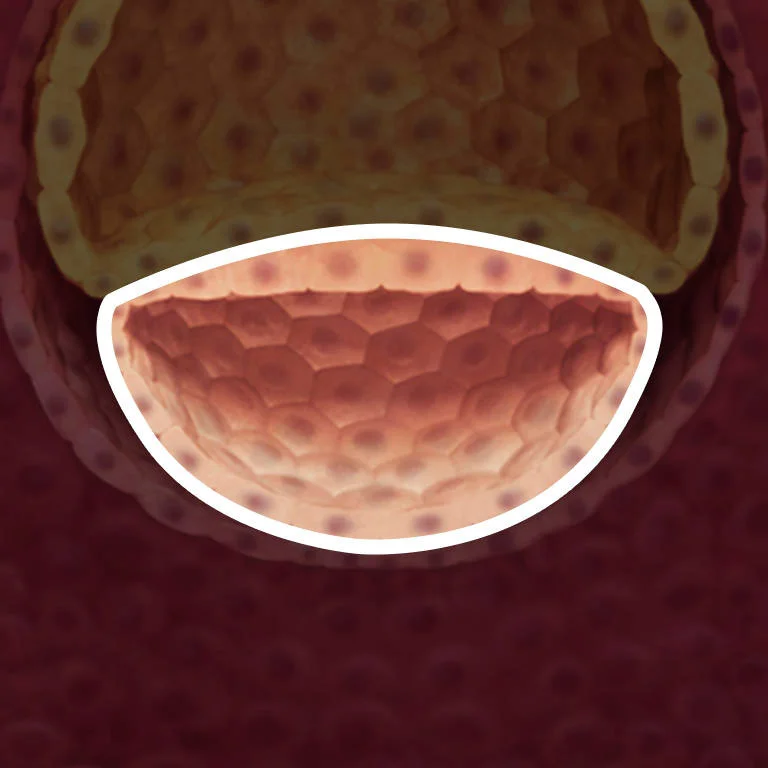
However, the processes of development and formation are progressing very actively. By the end of the 3rd week, the embryo resembles a hollow sphere with a diameter of about 0.1–0.2 mm, and the number of cells reaches approximately 250. At this stage, the embryo is located inside a tiny sac filled with amniotic fluid. It still receives nutrients not from the mother’s body, but from the yolk sac. At the same time, the process of blood formation begins.
Sensations at the 3rd week of pregnancy
The pregnancy period is still very short — only a few days. At this stage, the expectant mother usually does not feel any changes in her body. However, some women claim that they sense the emergence of a new life within themselves. Perhaps these sensations are related to long-awaited and carefully planned pregnancy, which leads to heightened attention to the very first signs. Nevertheless, many women may not even suspect their condition until the 5th or 6th week.
Safety comes first!
The 3rd obstetric week of pregnancy is considered one of the most critical transitional periods. During the week following ovulation, it is extremely important to protect the newly forming life from any risks by avoiding emotional stress, exhaustion, and heavy physical exertion. It is also crucial to avoid taking strong medications, especially antibiotics.
At this stage, the formation of the embryo’s internal organs begins. Therefore, from the very first days of pregnancy, it is essential to protect yourself from any harmful influences.


Comments (0)
There are no comments yet. Be the first to comment!
Log in to leave a comment.
Login