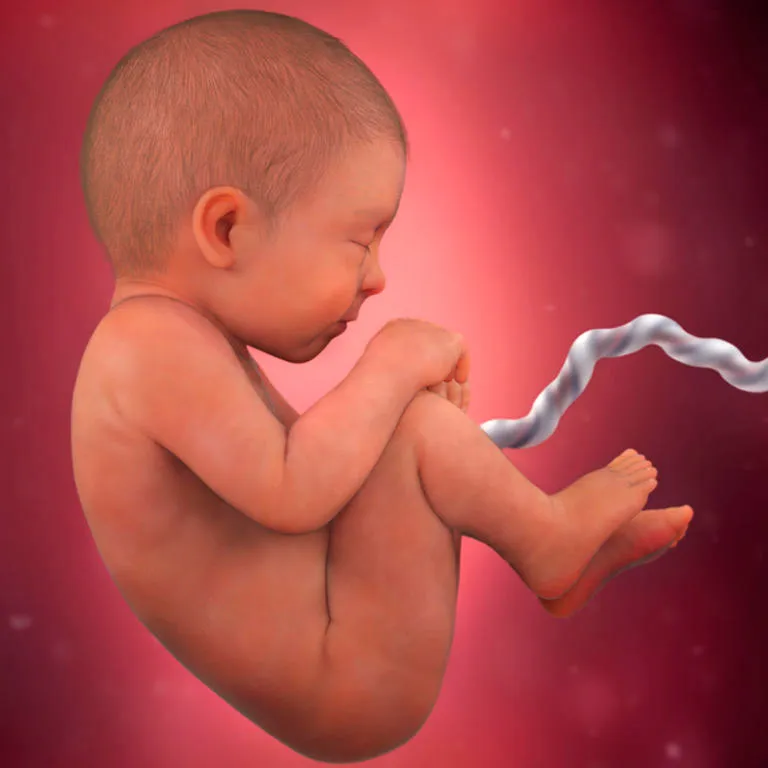
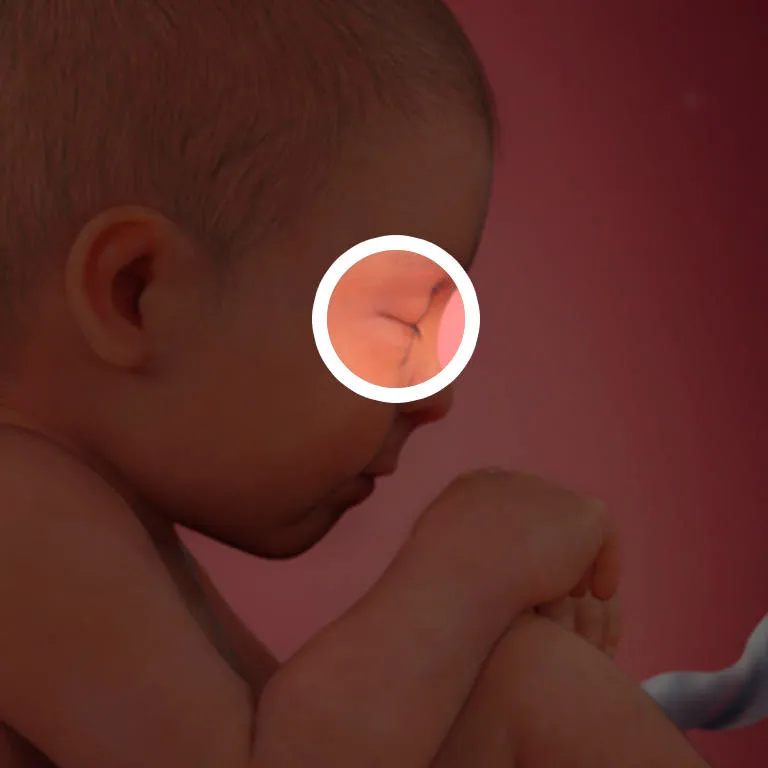
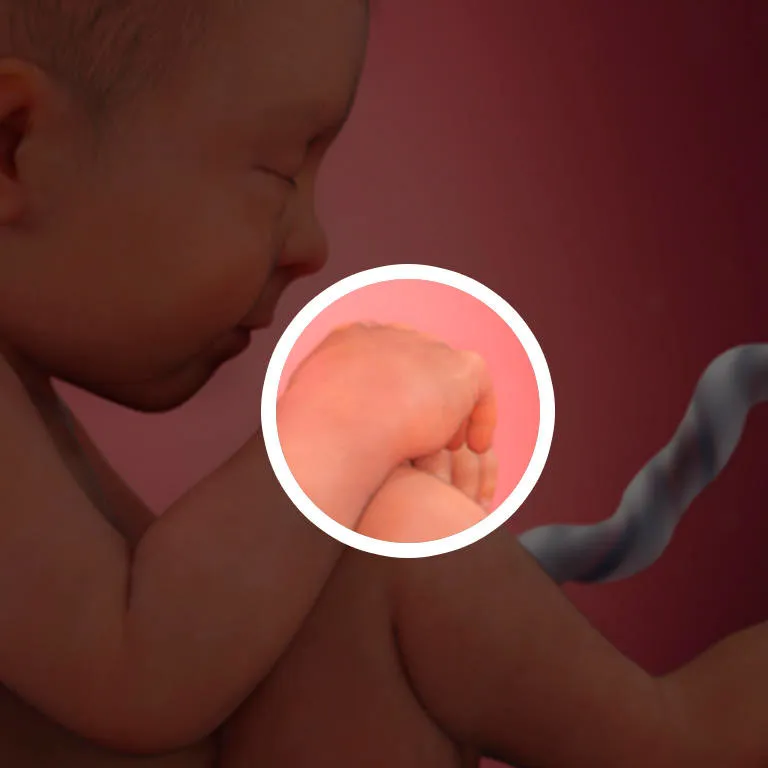
Lanugo (hair) sheds.
Complete preparations for the maternity hospital.
Labor may begin today or tomorrow — or it may still “wait” for another week. All of these possibilities are completely normal. If you are expecting a baby girl, the likelihood of her being born during this week is slightly higher. Girls often seem eager to bring joy as soon as they enter the world.
Try not to stay alone for long periods. If no one is nearby, always keep your phone with you. Childbirth at 38 weeks of pregnancy is considered timely and fully mature.
How the Baby Feels
The baby’s weight has reached about 3 kg or is close to it, and the length is 48–50 cm. The baby still receives nourishment through the placenta. Fine body hair (lanugo) should gradually disappear, and the amount of vernix caseosa (the protective creamy coating) should decrease.
At this stage, in boys, the testicles descend into the scrotum. At 38 weeks of pregnancy, the baby feels quite cramped in the uterus, so movements become less frequent. However, they are much better coordinated, and the baby is ready for life outside the womb.
Normally, the baby’s heart rate is 120–160 beats per minute. The baby presses the head against the mother’s pelvis, preparing to come out — fully ready for birth.
How the Mother Feels
At this time, the placenta weighs about 1–2 kg and has a diameter of around 20 cm. The uterus is positioned 16–18 cm above the navel and 36–38 cm above the pubic symphysis. During this week, you may feel increased discomfort: swelling, poor sleep, and false contractions may trouble the expectant mother.
If you have difficulty sleeping, try drinking a glass of warm milk in the evening (if you tolerate it), and lie on your left side. To reduce swelling in the legs, avoid prolonged sitting or standing, limit salty foods, keep your legs elevated, and rest more. If contractions are bothersome and you cannot tell whether they are real or false, try walking around the room when they begin — false contractions usually subside with movement.
Your breasts may feel heavy and therefore require clothing made of natural fabrics. At this stage, it is advisable to wear a well-supporting bra made of dense fabric. Your body is preparing for childbirth: hormonal levels are changing, the pelvic bones are shifting, and cartilage and ligaments are softening.
You most likely already know whether you are expecting a boy or a girl.
Pregnancy Week 38’s belly has reached its maximum size. The skin is stretched and may itch from time to time — applying a special nourishing cream or almond oil daily can help relieve this. Many women at 38 weeks notice pain in the lower abdomen and that the navel protrudes outward, forming a small “bubble.” There is only one piece of advice here — do not worry. All of this will pass after childbirth and return to normal.
Second Pregnancy
If you are at 38 weeks of pregnancy and this is your second pregnancy, be prepared for labor to begin suddenly. Keep in mind that second and subsequent births are often faster and easier. However, pain sensations may sometimes be stronger.
So, pregnancy at 38 weeks — second birth: the woman’s body is fully prepared for labor and knows exactly what to do. Listen to your sensations and be ready at any moment when “it begins.”
Pregnancy Week 38’s body is completely prepared for the baby to enter the world. If at 38 weeks the belly becomes hard, discharge appears, pain occurs periodically in the lower abdomen, or the lower back begins to ache — all of these signs indicate that labor is approaching. For some women, these signs are mild, while for others they can be quite exhausting.
If the Baby Becomes Quiet
At 38–39 weeks of pregnancy, the baby cannot be very active due to the limited space and therefore prefers to sleep. However, the mother should still notice movements from time to time.
Listen to yourself and to your baby. If the baby remains unusually quiet for a long time, contact your doctor immediately for evaluation.
“Nesting Syndrome”
At 38 weeks of pregnancy, many expectant mothers experience a sudden surge of energy and an intense desire to do household chores. It may feel as though everything can be accomplished at once. This heightened activity is caused by the release of oxytocin, a hormone that typically increases shortly before labor.
If you feel the urge to clean and organize your home thoroughly, you may do so — but be cautious. Do not take on heavy tasks that are unsafe for pregnant women. Remember that even using a mop at this stage could potentially lead you straight to the maternity ward.
Pregnancy Week 38 — Signs of Labor
The main event has been awaited for many weeks. The body is fully ready for childbirth. Gradually, it begins to send signals that labor is approaching. These “signs” are usually similar and include:
lowering of the abdomen;
pulling sensations;
temporary hardening of the upper abdomen;
increased uterine tone;
vaginal discharge;
slight weight loss.
Giving Birth at 38 Weeks
This stage is ideal for a normal delivery. If a cesarean section is planned in your case, you should already be admitted to the maternity hospital. The doctor may set the exact date of surgery.
Do not lose heart and believe that labor will be easy and without complications.
Both mother and baby are ready! There is no reason for panic. Focus your thoughts, relax, and set your mind on the best outcome.
Do You Know Your Maternity Hospital?
If you have decided to give birth, you are probably already familiar with the rules of your maternity hospital: what you need to bring with you, whether medications must be purchased separately or are provided by the hospital. If not, now is the perfect time to prepare everything.
In addition to your packed bag, do not forget to bring the most important things with you — a positive attitude and good emotions. Very soon, there will be joy and celebration in your family.


Comments (0)
There are no comments yet. Be the first to comment!
Log in to leave a comment.
Login