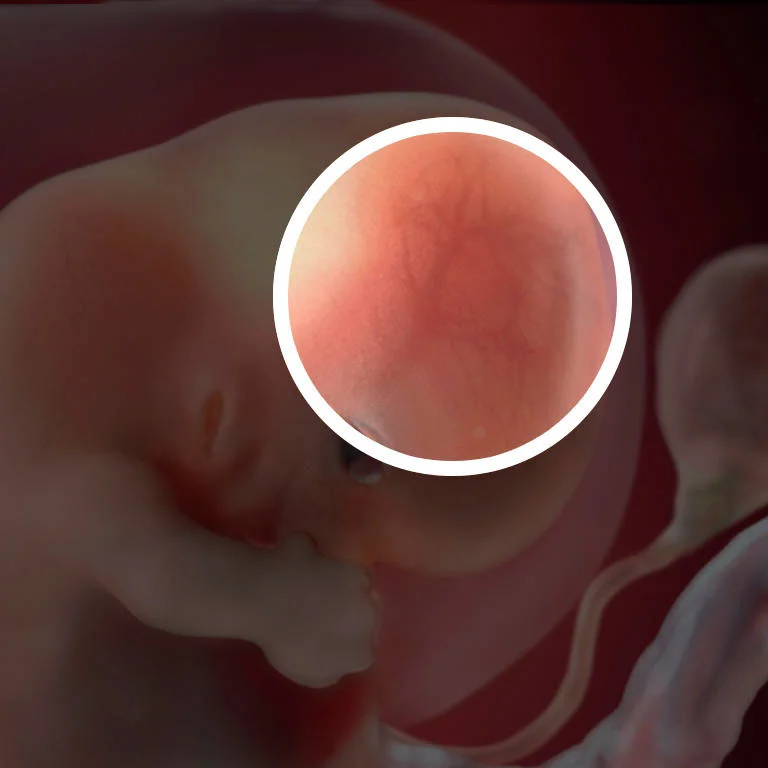
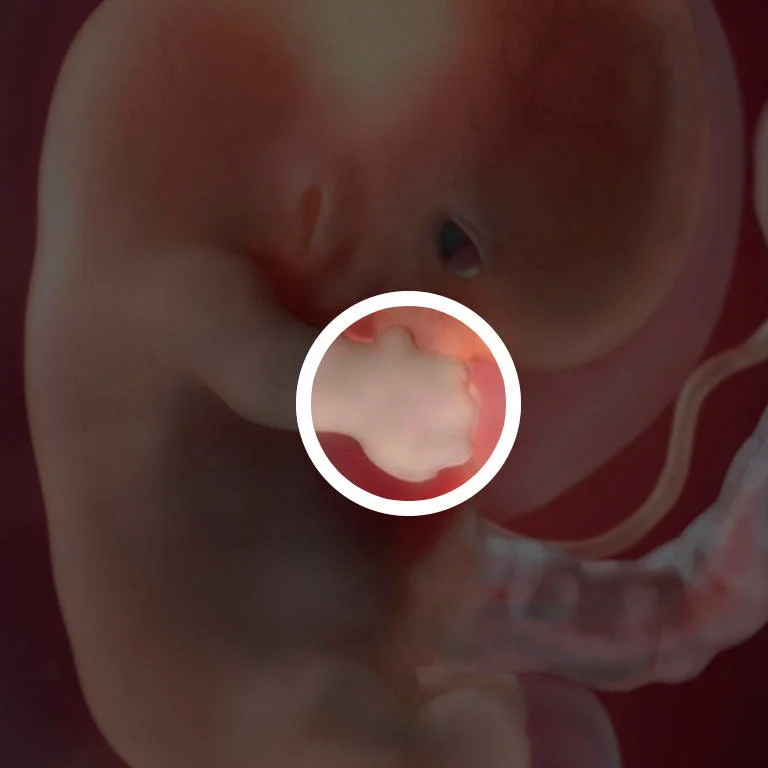
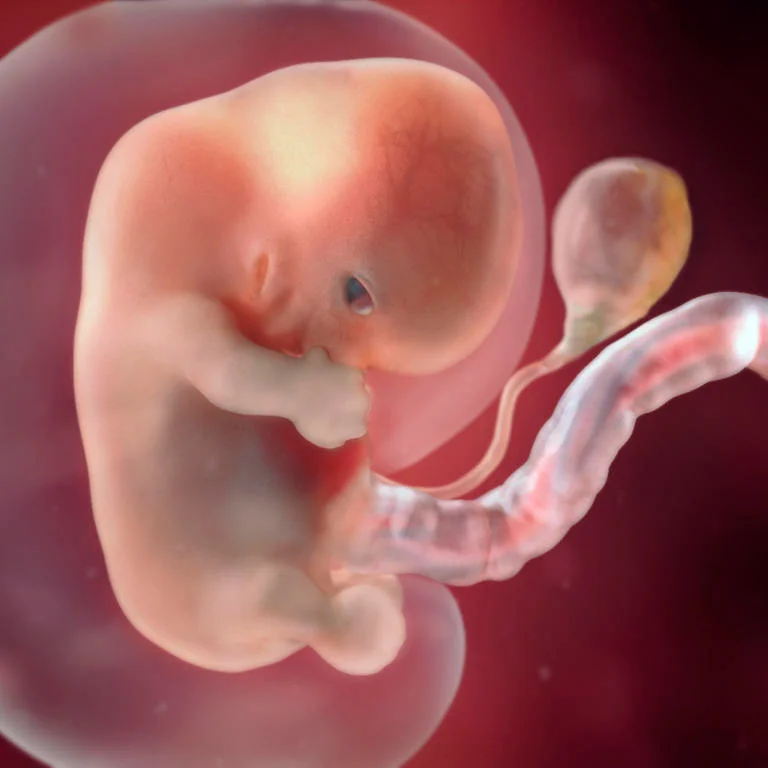
Fingers separate. Eyelids form.
Breast sensitivity may increase and size may enlarge.
The 8th obstetric week of pregnancy corresponds to the sixth embryonic week. When calculated by calendar months, this marks the end of the second month. By this time, most women already know that they are pregnant. Those who did not know begin to notice it, as pregnancy symptoms become more pronounced during this period. So, what changes occur in the woman’s body and in the embryo at this stage?
Sensations during the 8th week of pregnancy
The pregnancy symptoms that appeared earlier become even more noticeable by this time. Hormone levels continue to rise, which outwardly manifests as frequent mood swings, tearfulness, and drowsiness. The uterus also begins to increase in size. Although a woman may not consciously feel this yet, her internal organs start to experience pressure and discomfort. The urge to urinate becomes more frequent, and constipation may occur.
Vaginal discharge may also increase during the 8th week of pregnancy. However, if it is not accompanied by itching or burning, there is no reason for concern. Some women may experience brownish discharge. If there is no lower back pain and the overall condition is not worsening, this is also not considered dangerous. Nevertheless, it is advisable to inform the doctor about it.
At this stage, toxicosis becomes the main problem for most pregnant women. Constant salivation, aversion to food, and vomiting interfere with normal eating. On the one hand, many women experience this condition; on the other hand, if vomiting occurs more than five times a day, it is necessary to consult a doctor.
Development of the fetus at 8 weeks of pregnancy
During this week, the baby enters a new stage. It is no longer referred to as an embryo but as a fetus. The placenta continues to develop, and uteroplacental blood circulation improves. From this week onward, the fetus begins to receive nutrients through the umbilical cord.
Despite its very small size — only about 1.5–2 cm — the fetus already has a distinctly human appearance. On ultrasound, the arms, legs, and head are clearly visible. Facial features begin to form.
Internal organs continue to develop rapidly. The heart becomes four-chambered, the lungs develop branching bronchi, and the kidneys take shape. The foundations of the reproductive organs appear: in boys, the testes begin to form, and in girls, the ovaries that will produce egg cells develop. However, it is still impossible to determine the baby’s sex visually at this stage.
The nervous system develops at a rapid pace. The baby begins to move actively: it flexes and extends its arms and legs and turns from side to side. All of this can be clearly seen on ultrasound. However, because the fetus is still very small, the mother cannot yet feel these movements. It will take several more months before she begins to notice them.
By this week, all major organs have already been formed. In the following weeks, no new organs will appear; instead, the existing ones will continue to mature, while the fetus itself grows and gains weight.
Doctor’s visit
If a woman has not yet registered for prenatal care, now is the ideal time to do so. The doctor will perform an examination, issue referrals for medical tests to confirm the pregnancy, select the necessary vitamins, and schedule an ultrasound examination.
In addition to visiting a gynecologist, consultations with a general practitioner, dentist, and venereologist are required. It is important to remember that even if the abdominal bulge seems noticeable at 8 weeks, the doctor should still be informed about the pregnancy. Every pregnancy is different, and body shapes vary among women — what seems obvious to one person may be completely unnoticed by others.
If the expectant mother has chronic illnesses or regularly takes medications, she must inform her healthcare provider. If necessary, the doctor will prescribe additional tests and adjust the medication regimen.
Tests
A biochemical blood test allows doctors to assess the condition of a woman’s internal organs and identify any deficiencies in essential микроэлемents.
Urine tests include:
a general analysis to assess kidney function;
a Nechiporenko test to detect hidden inflammatory processes;
a glucose test to determine blood sugar levels.
Recommendations
If a woman does not experience serious discomfort, she may continue her usual lifestyle. Physical activity is allowed, but the intensity of exercise should be reduced. Sexual activity is not prohibited unless there is a risk of miscarriage, in which case temporary restrictions may be necessary.
During this period, many women experience increased fatigue and irritability. To reduce these symptoms, walking outdoors is recommended. Special attention should be paid to nutrition: vegetables, fruits, protein-rich foods, and dairy products should be included in the daily diet. Pastries, sweets, coffee, and foods that may trigger allergic reactions should be limited.


Comments (0)
There are no comments yet. Be the first to comment!
Log in to leave a comment.
Login